Daniel Bellino and The Greenwich Village Newport Steak

NEWPORT STEAKS

FLORENCE MEAT MARKET

GREENWICH VILLAGE NEW YORK

Daniel Bellino Zwicke & “GREENWICH VILLAGE NEWPORT STEAKS

Daniel Bellino-Zwicke, a well-known New York City cookbook author and Italian-American food writer, is one of the most passionate culinary champions of the Greenwich Village Newport Steak.  Through his books (like Sunday Sauce) and his blog, Greenwich Village Italian, he has heavily documented the history, culture, and preparation of this hyper-local steak. [12345]
What is a Newport Steak?
  • The Cut: It is a small, tender steak cut from the tri-tip (the bottom sirloin) of the cow. [12]
  • The Origins: It was invented in 1947 by Jack Ubaldi, an Italian immigrant and the original owner of the legendary Florence Prime Meat Market at 5 Jones Street in Greenwich Village. [12]
  • The Name: Ubaldi wanted a catchy name to help sell this lesser-known, affordable cut to local neighborhood artists and bohemian residents. He named it the “Newport” because the curved shape of the cut resembled the Nike-like half-moon logo on a pack of Newport cigarettes. [12]
  • Alternative Names: While known strictly as a “Newport Steak” in New York’s historic Italian butcher shops, the broader tri-tip cut is called a Santa Maria steak on the West Coast. [12]
The Daniel Bellino Connection
Bellino-Zwicke treats the Newport Steak as a culinary symbol of a bygone Greenwich Village era. He frequently shares recipes that involve pan-searing the steaks to medium-rare in a hot skillet with butter, olive oil, and mushrooms, often pairing the meal with Italian wines like Barolo or Brunello. [123]
He historically sourced his meats from Florence Prime Meat Market and also highly recommends Pino’s Prime Meat Market on Sullivan Street, another landmark neighborhood institution that masterfully cuts and trims the Newport.
Author Daniel Bellino Zwicke

CIPRIANI DOWNTOWN

NEW YORK CITY


SUNDAY SAUCE

AMERICA’S FAVORITE ITALIAN COOKBOOK


The GREENWICH VILLAGE NEWPORT STEAK

The Perfect Newport Steak? What? I make it. Not everyone can. Number 1, you have to start with a Great Steak, a Newport Steak. A Steak not known to many. Well if you’re fortunate to live in New York’s Greenwich Village, you might know about them. Then again, you might not, cause just because you live in The Village, doesn’t mean you know of this little thing of wonder, The Newport Steak. The Newport Steak is a thing of wonder, especially if you love Steak but don’t want to shell out about $19.00 a piece or more to get one. That’s uncooked from the butcher, a nice Prime Sirloin Steak that is. Now a Newport Steak on the other hand will cost you about $7.50 on the average, or roughly 2 1/2 times less than a Sirloin, and you do not give up on taste or quality. It’s just as good. Maybe better.


Screen Shot 2017-04-21 at 2.44.24 PM


A NEWPORT Ready for the PAN
.
.
Screen Shot 2017-04-21 at 2.38.09 PM.png


Cooking My NEWPORT STEAKS

to PERFECTION


A Perfectly Cooked Newport Steak

“THE STEAK of GREENWICH VILLAGE”

Cooked by Cookbook Author Daniel Bellino Zwicke

Greenwich Village New York

As The ROLLING STONES 

Play in The Background

SWEET !!!!


It is said that The Newport Steak was created by Jack Ubaldi, an Italian immigrant who owned a Butcher Shop in New York’s heavily Italian Greenwich Village some time around 1947. The Newport Steak is actually most commonly known as Tri Tip Steak and comes from the Bottom Sirloin portion of a cow. The Tri Tip is not well known nor much in demand. Well not among the masses, but we “Smart Ones” know better. We always get equal or better quality of anything, but always pay less. Thus the case of a Tri-Tip or if as we call it in New York’s Greenwich Village “The Newport Steak” In California, Californians know it as The Santa Maria Steak.

   Anyway, Mr. Ubaldi, wanted to sell this lesser known cut to his customers, but didn’t want to sell it as Tri Tip, he wanted a catchyer name. A name that would help sell this wonderful little steak, that was oh so tasty and cost far less than Sirloin, T-Bone, Porter House or Rib Steaks. He wanted a name that in the name itself would sell the steak. One day jack Ubaldi was looking at a pack of Newport Cigarettes and noticed that the logo of Newports was more or less the same shape of the Tri Tip Steaks that he cut. Right then and there Jack Ubaldi named his cut of Tri Tip 
“The Newport Steak” the name caught on and they’ve been selling Newport Steaks at Florence Meat Market on Jones Street in Greenwich Village ever since. They’re are a couple other spots in the area where you can get a Newport Steak. Ottomanelli’s down the block at Bleecker and Joes Streets sells them, as well as Pino’s Prime Meats on Sullivan Street, and is a place where I often pick up a Newport Steak or two, along with ones from the original Florence Meat Market.

     Well, I picked up a couple the other night and cooked them for me and a friend. As usual, they came out perfectly. We had a Couple good bottles of wine as well, in a nice bottle of Villa Sesta Chianti and a fine Bordeaux. And if that wasn’t good enough, and don’t you think it should have been? We listened to The Rolling Stones while I cooked those “Tasty Steaks” some Roast Potatoes and Carrots. Those steaks, yes they were Perfect. Not many people can cook a Steak as Good as Me, “No Brag Just Fact.” Yes it’s Fact, I can cook a Steak Better than anyone of ever met or eaten a steak cooked by another, and that includes Steaks I’ve had at Sparks Steak House, Peter Luger and other places renowned for their steaks. If you knew me, you’d know I’m telling the truth. Ask anyone who has ever eaten a Steak that I’ve cook, “They tell you.”

  Any way, yes the Steaks were perfect. My mouth is watering now just thinking about them. Dam, I tell you, Those Newport Steaks were “So Dam Good” they were practically “Orgasmic” I kid you not. Ask my Pal Chris, or my Buddies Raoul or Jimmy S, they’ll tell you. So we had The Perfect Steak, drank Chianti, and listened to The World’s Greatest Rock Band of All-Time “The Rolling Stones.” And yes Boys and Girls, Ladies and Gentlemen, “Sometimes Life Can Be Blissful.” Yes It Can.


The Newport Steak 

Is Cut From Tri-Tip Bottom Sirloin


A Couple Nice Newport Steaks

All Ready to Cook Up
IS THE NEWPORT STEAK GREENWICH VILLAGE’S OWN ?


Is that little thing of Beauty The Newport Steak Greenwich Villages Own? Yes Boys and Girls it is! I don’t know if anyone has ever coined it that. I do know that those of us in Greenwich Village and New Yorkers in other parts of the city know about it and that it is of Greenwich Village. And you see, just because you live in Greenwich Village doesn’t mean that you automatically know about it, not everyone does. We are few and small a group. An elite group who know of the wonders of our beloved Steak of Greenwich Village and Italian Greenwich Village at that. 

Our beloved Newport Steak, those few of us who know about it, is a Greenwich Village Original created by an Italian Immigrant Butcher jack Ubaldi who created the now famous Newport Steak in the late 1940s when he had the idea of cutting the relatively unknown and inexpensive cut of beef known as the Bottom Sirloin in a different way and cut off a couple of Steaks from this piece of meat that was most often used as a roast in a larger piece or ground for Hamburgers, Meatloaf, or Meatballs. Today this cut of meat is normally known as Tri-Tip or Santa Maria Steak of Central California where it is grilled or roasted whole in one piece then sliced when serving. In France this cut is known as a Culotte which is popular in the Bistros of Paris and all over France.

So back to Jack Ubaldi who back in the 1940’s invented what is now known to those “In The Know” as a Newport Steak. Jack cut the a piece from the Bottom Sirloin that was about 1 1/2″ thick and had the shape of a Boomerang. When he saw a Newport Cigarette ad and noticed that his special cut of Steak looked like the Boomerang Logo of the Newport Cigarettes. Right then and there in his butcher shop on Jones Street in Greenwich Village, Jack named his special cut the Newport Steak. The rest is Culinary and Greenwich Village History, and Italian Greenwich Village History at that, as at that time Greenwich Village was heavily populated by Italians. The Village was filled with Bread Bakers like Zito’s(now defunct) around the block on Bleeeker Street, Zapieri’s, and Vesuvio as well as a host of other Bakeries, Italian Restaurants and Caffes like Caffe reggio and Caffe Dante, along with another fine Italian Butcher Shop in Pino’s Prime Meats on Sullivan Street, in business since 1904. Raffetto’s Pasta in Greenwich Village and Porto Rico Coffee are all over 100 Year Old Italian-American businesses as well. 

So the Newport Steak. Created by Jack Obaldi, is cut from the Bottom Sirloin are about 1 1/2 inches thick, weigh about 14 ounces and cost about $7.50 a piece and are well worth it. Heck they’re a bargain compared to a Prime Sirloin which are about triple the price of a Newport. And the Newport is every bit as good as a regular New York Cut Sirloin. No quality loss what so ever. In fact, after getting on to Newport’s I prefer them to a Sirloin, as do the others in the know on the Newport.


WHERE To GET A NEWPORT STEAK
FLorence Meat Market  “They Invented It” !!!  … Jones Street, Greenwich Village, New York 
Pino’s Prime Meats  …. Sullivan Street, New York,  NY
Ottomanelli’s Meat market …. Corner of Bleecker and Jones Streets, down the block from Florence …  Greenwich Village, New York


PINO’S PRIME MEATS

ITALIAN BUTCHER SHOP

GREENWICH VILLAGE


Pictures of Al Pacino in The GODFATHER

and Cast of The Soprano’s

in Window at Pino’s


Author Daniel Bellino Zwicke

CIPRIANI DOWNTOWN

NEW YORK CITY


FLORENCE MEAT MARKET

INVENTOR of THE NEWPORT STEAK

Copyright Daniel Zwicke

GREENWICH VILLAGE,  NEW YORK


ed623-bigleborigianal

HOW to COOK The PERFECT STEAK

RECIPE in GOT ANY KAHLUA ?

The BIG LEBOWSKI COOKBOOK

,
For Great Recipe and Instructions
On Cooking The Perfect Steak

THE BADASS COOKBOOK

Screen Shot 2017-02-10 at 12.26.09 PM.png
COOK IT !!!

The BADASS COOKBOOK

AMERICA’S FAVORITE DISHES

And SECRET RECIPES


.

Ginos Secret Sauce Pasta – New York Italian Red Sauce


A Waiter at GINO’S

“You’ve got to get Pasta Segrete”


   Segreto?
It’s secret
in Italian. I got the idea for the book one day, well not the idea, but
inspiration I’d say. I was thinking about one of our all time favorites
restaurant, the food, the ambiance and all the fun we’d had there over the
years. Many wonderful meals with family and friend, no foes. Dinners with
Cousin Joe, Sister Barbara, Brother Michael, and Jimmy. Oh, the food was
wonderful, all the great Italian Classics of good old Italian-American Red
Sauce Joints of which this one, was one of the best. The classics, like: Baked
Clams, Stuffed Artichokes, Spaghetti & Meatballs, Linguine with Clam Sauce,
Chicken Parmigiano, Veal Marsala & Milanese, Chicken Cacctiatore, Ossobuco,
Cannolis, Spumoni, and-on-and-on. I think you get the picture. Lots of good,
affordable Italian Wine, the affable waiter, the phone booth, and the Zebra
Wall Paper. If you were a regular their, from the last sentence, you the place
I’m talking about. Yes Gino’s! Our beloved Gino’s of Lexington Avenue. Sadly
they closed a few years ago. But we still have the memories of so many festive
meals. Happy times, good eats.
  I discovered the wonders of Gino’s and first
brought my cousin Joe there in 1999. The place was thrilling in that, when you
walked in, you felt you were in the perfect place. Gino’s is charged with
energy by its wonderful clientele, well-healed regulars who have been going
there for years, they know the Maitre’d, the waiters and other customers, and
likewise the waiters, bartender, and maitre’d know them. The first time you walk
in, you feel that, and want to be a part of it. We did. Back then, Joe and I
used to go out to eat together all the time, at least once a week. Joe knew
about food, but not to the extent that I did. Joe would come in every week or
so, and his driver would drive us around town. He’d pick me up early evening
for a night of feasting and good times. We’d often eat at a couple different
place. We’d have our main dinner and maybe a little bite to eat when we first
went for cocktails to start the night off. As I said, Joe loved eating, and
knew quite a bit, but as much as he knew, it wasn’t a third of what I knew
about food, wine, and restaurants, and especially the restaurant, bar, and
night club scene in New York. I was teaching Joe the ropes, so-to-speak, and Joe
was an eager student. We had quite a lot of fun those few years, with dinners
at Gino’s, Elio’s (Mondays for Lasagna), Da Silvanos’s, Bar Pitti, The Waverly
Inn, Minetta Tavern, cocktails at Pegu and Temple Bar, and way too many other
places to name right here. We did New York, we did it all!
   Back to Gino’s. So I had passed by Gino’s any
number of times, but never went in to check it out. I was a downtown-er, and
that’s where we did most of our eating, with an occasional trip midtown or
other local if a place peaked our interest. So I did finally walk into Gino’s
one day. I had to check it out. When I did, as I’ve already said, I walked in
the door and immediately felt the energy of the place. Gino’s was packed, full
of life and vibrant, and I knew I wanted to be there. I didn’t eat there right
then and there, I was scouting the place out, but I knew I would be back. So I
called Joe up and told him all about the place. It sounded great to Joe, this
type of place was right up his alley, as it was mine. So Joe said yes, let’s
check it out on our next night out.
   Our first ever trip to Gino’s was a few
nights later. Joe packed me up at my place in Greenwich Village. I got in the
car, as usual, we had a little discussion on what we’d be doing. We mapped out the
night of eating and drinking, good times. We talked and decided to head over to
Otto Enoteca for a bottle of wine and some Salumi before heading up town to
Gino’s and our main dinner of the night. Joe loved Otto, and I was a fan too,
so we headed to Otto.
    Well, we went to Otto, drank a little wine,
had some Testa, Mortadella, and Prosciutto, and it was on to Gino’s. Back in
the car, and Ziggy (our driver) drove us up to Lexington Avenue, across the
street from Bloomingdale’s to Gino’s. We were excited as we walked up to the
restaurant and through the door. The place was packed and super-charged. We
loved it. The Maitre’d greeted us with the first of many warm welcomes. We were
in like Flynn. We sat down at a nice table in the middle of the restaurant. We
were happy campers. As happy as can be, for we sensed a wonderful meal ahead.
Our hunch would turn out to be just right. A waiter came to our table, greeted
us a warm welcome, gave us a wine list and menus, and asked what type of water
we wanted. As always, we got a bottle of flat water. Joe gave me the wine list
as he usually does and told me to pick something out. I looked over the
reasonably priced list and picked out a tried and true wine from my good friend
Luigi Capellini in Greve. The wine, a bottle of Verrazzano Chianti Classico.
The waiter went to get the wine, and Joe and I looked over the menu. We were
happy to see a great old school Italian menu. The Red Sauce kind of a good old
classic Italian-American joint, of which there used to be many, but at this
point of time, far fewer. They had; Shrimp Cocktail, Baked Clams, Hot
Antipasto, Clams Posillipo, Spaghetti Vongole, Lasagna, Canneloni, Veal Parm,
Veal Milanese, Eggplant Parmigiano, Shrimp Fra Diavolo, Veal Marsala, Scampi,
and all the usual suspects. We were in heaven, and it was heard narrowing down
what to eat.
   One dish really caught our attention, and
especially Joe, who although I love my pasta, Joe had has me beat, he’s the
pasta freak. Freak in a 
good
way that is. The dish was Pasta Segreto (Pasta w/Secret Sauce), and us
intrigued.
    The waiter brought the bottle of Chianti,
opened it, and we were on our way. I ripped off a piece of bread and ate it.
So, we decided on the menu. We order a Shrimp Cocktail and Baked Clams
Oreganata to start. We would share these two antipasto items, then move on to
the Primi, the pasta course. We decided on, and just had to have the Pasta
Segrete, a half order each. We both love Veal Milanese (Frank Sinatra’s
favorite), and as we were having antipasto, and pasta, as well as a couple
desserts, we decided on one Veal Milanese to split for the main course, thus
leaving room for some tasty desserts we knew Gino’s would have. We talked with
the our waiter about the menu, and he agreed that we had chosen wisely, and
that one Milanese would be fine, so we could eat dessert and he’d help us pick
the two best later.
    So we drank wine, and nibble on the bread,
chatted and waited in anticipation for the antipasto to arrive. I love Shrimp
Cocktail since childhood and don’t always eat it all that much these days, so
it’s always a special treat. The Baked Clams and the Shrimp Cocktail came and
were a great way to start the meal. The wine was great. Hey it’s Castello
Verrazzano!
   So now, we were really excited. This
mysterious Pasta Segreto was about to come out. You can get the Secret Sauce with whatever Pasta you
like, Spaghetti, Raviolis, Tagiolini, Penne, Gnocchi, or Rigatoni. Joe and I
both love Rigatoni, so that’s what we went for, two half portions of Rigatoni
Segrete. Well, the waiter brought us our Pasta with Secret Sauce. Guess what!
It was outrageous, we loved it. Joe went crazy, and could stop talking about
it, and it was just a couple weeks before he’d have to go back and get another “Fix.”
Yes the Pasta with the
Secret Sauce did not disappoint. We loved it, and would be back for many more
bowls.
    We finished the Pasta, grudgingly so, as we
didn’t want the experience to end, “It was that good!” We waited a few minutes
for the Veal Milanese. It came out, and we could tell just by looking at it,
that it would be great. For those of you who might not know, Veal Milanese is
one of Italy’s most famous a classic of all dishes. It’s a Veal Chop that’s
pounded thin, breaded with breadcrumbs and fried and tipped with a Salad of
Arugala and Tomato. The dish is simple, simply delicious when done right. Veal
Milanese was one of Frank Sinatra’s all-time favorite dish, along with
Spaghetti Meatballs, and Clams Posillipo. Frank used to get it often at his
favorite of all restaurants, Patsy’s of West 56
th Street, just 10
blocks from Gino’s. Both old-school Italian Joints were among Frank’s
favorites. Patsy’s was Frank’s # 1 favorite, but Gino’s wasn’t far behind, and
Ol’ Blue Eyes ate there many times over the years. Anyway, the Veal Milanese was
just perfect and we thoroughly enjoyed it. Yes, life is good at times like
these.
   We finished our Veal Milanese, and it was
now time to  think about  desserts. I love sweets and so does Joe, so
he said we gotta get two. The waiter told us the Tiramisu was “The Best in
Town,” and the Cheesecake was really wonderful as well, so we went with his
suggestions. Throw in a couple cups of Espresso and some Anisette too, and we
were still in heaven.
   Needless to say, our meal was fantastic. We
loved it. We loved Gino’s and would be back for more.
    We went back to Gino’s a couple weeks
later. Joe loved the Pate Segrete and kept talking about it. He was back for
more. We loved the menu we had the last time, and pretty much went with the
same again. When we were eating the Segrete Pasta I identified the secret
ingredients. They were butter and Parmigiano, mixed into Gino’s basic tomato
sauce. Just a little butter and the grated Parmigiano does the trick for a
tasty sauce. The recipe is in the book, and don’t worry, we didn’t eat the same
thing every time we went to Gino’s. Over the years, we pretty much had every
dish on the menu, from; the Minestrone and Pasta Fagioli, Manicotti, Lasagna,
Spaghetti and Meatballs, Chicken Parmigiano, Veal Marsala and all. Specials
too! We ate it all. “And loved every minute of it.” Gino’s, we miss you so! But
great memories linger on.


Daniel Bellino Zwicke


EXCERPTED FROM :


SEGRETO ITALIANO – Secret Italian Recipes and Favorite Dishes


by Daniel Bellino Zwicke


GINO’S SECRET PASTA SAUCE

SECRET SALAD DRESSING

CREAMY ITALIAN

CAESER SALAD

LASAGNA

MARINARA SAUCE

JERSEY SHORE CRAB SAUCE

CU.CUZZA

SICILIAN FIG COOKIES

And More ….

SEGRETO ITALIANO Reviews

Steven S. says :

There is something very authentic about this book and the author Daniel Bellino-Zwicke. Entertainingly straight-forward and real, this cookbook has an awesome Italian American vibe throughout from cover to cover. Use this cookbook to create a dining experience that will make spectacular memories of comfort and deliciousness!

Italian and Italian-American cuisine is one of my favorites and it is just a blast trying out these rocking recipes in my own kitchen. These really are some secrets from the masters because they are uniquely wonderful – just created the Eggplant Caponata to the delight of my friends and family!

If you love Italian American food and like to cook and impress your Soprano’s fans, then pick up this book now!


Recipe  “GINO’S SECRET SAUCE”

Salsa Segreto

Outside The Old GINO RESTAURANT

Lexington Avenue

NEW YORK , NY
One block north of Bloomingdale’s famous department store. Gino Restaurant, which all the regulars called Gino’s was one of the greatest most beloved Italian Restaurants in the history of New York City. And it’s just that, part of New York City History. Sadly, we lost Gino’s nine years ago, as the restaurant sold its last plate of its famous “Pasta Segreto” in the Winter of 2010. Some of Gino’s many regulars which included the likes of Frank Sinatra were brought to tears the day Gino shut its doors. The restaurant was truly one of those much beloved places that you don’t see every day, and it’s a dam shame we lost her. All of us who ever went there have many cherished memories spent with friends and family at Gino’s. I’m sure if Frank Sinatra was still alive, he’d tell you a few stories himself. Maybe his daughters Tina and Nancy Sinatra who of course are still alive might have some memories of their father, the great Francis Albert Sinatra holding court at Gino’s. Yes we all know that Patsy’s across town from Gino’s was Frank’s favorite Italian Restaurant o f all-time, but Mr. Sinatra loved Gino’s as well, and dined there many times.

Hey Tony Bennett who is till alive, is a fan of Gino’s. Maybe he can tell us some stories. Well, best selling Italian Cookbook author Daniel Bellino Zwicke is alive and doing well, and always writing about Italian Food, restaurants, pizza, pasta, celebrities, and Italy, and he has told us a few stories of great times with friends and family; his Cousin Joe, Brother Michael, and sister Barbara, and his fond memories of eating Baked Clams, Rigatoni Segreto and Veal Milanese, which Daniel says was his typical dinner when he dined at Gino’s with Cousin Joe Macari (Macari Vineyards).
Yes Gino’s was one great restaurant, that saw the likes of Mike Wallace, Gregory Peck, Gay Talese, and Italian Bombshells Sophia Loren and  Gina Lollibrigida. The great things about Gino’s was that it was a well-rum machine, and its total mix of wonderful expertly prepared Italian Food, lively ambiance, excellent service, and cool vibrant crowd made for the most perfect mix that was Gino Restaurant. And if that wasn’t enough, the prices of the food and wine was most reasonable. This was just another added plus of this legendary New York restaurant. And the restaurant that Gino’s was, as shall tell you that the type of restaurant it was what we now call Old School Italian Red Sauce Joints. Yes, an old school Italian Red Sauce Joint, and the best old school Italian restaurant that any could ever possibly be. The same as places like John’s of 12th Street, Monte’s Trattoria in Greenwich Village, Rao’s, up in East Harlem, New York.  Like any Red Sauce worth its Salt, Gino’s had great Red Sauce of course, with items like, Baked Clams, Spaghetti Meatballs, Manicotti, Lasagna, Veal and Chicken Parm, and Frank Sinatra’s favorites; Clams Posillipo and Veal Milanese.

We morn the passing of Gino Restaurant, as we morn the closing of two other great Old School Italian eateries of DeRoberti’s Italian Pastries and Lanza’s Restaurant, both of which were on 1st Avenue two doors from one-another on the block of 1st Avenue between East 10th and 11th Streets in New York’s East Village, which years ago was simply known as the Lower East Side. Luckily the other famous old Italian Eatery, “John’s of 12th Street” is alive-and-kicking after more than 110 years in business in the old Sicilian neighborhood where Mob Boss Charle’s Lucky” Luciano grew up (born in Lercara Friddi) after his family moved to East 10th Street (# 265) from Sicily.


READ MORE on GINO’S


SINATRA SAUCE

The COOKBOOK

COOK & EAT LIKE FRANK

His FAVORITE ITALIAN RECIPES


SINATRA !!! “JUST BECAUSE” !!!

FRANK SINATRA – DINNER at “JILLY’S” NYC

With Daughters TINA & NANCY SINATRA

And FRIENDS

No, it’s Not GINO’S but although FRANK Ate there Many TIMES
and it was one of his All-Time FAVORITE ITALIAN RESTAURANTS
there aren’t any pictures of him there. So we put this in. “It’s a great shot
of Frank holding courts.”


#LuckyLUCIANO PASTA

SICILIAN RECIPES


MORE  on SCALAMANDRE  


GINO’S CELEBRITY CLIENTELE


Frank Sinatra
Rocky Marciano
Jackie Kennedy
Aristotle Onassis
Ed Sullivan
PerryComo
Gay Talese
Tony Bennett
Gregory Peck
Gene Tierney
PELE
David Suskind
Mike Wallace
Dan Rather
Gina Lollibrigida
Sophia Loren
Nicholas Pileggi
Nora Ephron
Ralph Lauren
Mel Ott


Other Facts

GINO RESTAURANT was named after owner Gino Circiello. Gino’s partner was Guy Aventuriero. They were both born in Capri, Italy.

The tow partners Gino and Guy financed their restaurant (Gino’s) with their own money, along with help from Franco Scalamandre who owned the Scalamandre (Wallpaper and Fabrics).

The famous Zebra wallpaper was designed by Flora Scalamandre.

Gino’s most famous dish was Pasta with Salsa Segreto (Secret Sauce)


GINO’S BAR

And ZEBRA WALLPAPER


YELP Review of GINO’S by Author Daniel-Bellino-Zwicke.com


Dinner at GINO’S of CAPRI


NY NY


Gino Circiello is 2nd from Left

Guy Aventuriero far Right

.


New York Italian author Daniel Bellino Zwicke – Bestselling Italian Cookbooks & Travel Guides

Author DANIEL BELLINO ZWICKE

BAR TIBERIO

PIAZZA UMBERTO

CAPRI

Author DANIEL BELLINO ZWICKE

Daniel Bellino Zwicke is a best-selling Italian-American cookbook author based in New York City. With over 30 years of experience in the hospitality industry, he has worked in several prestigious Italian establishments and famously created Bar Cichetti, which was recognized as America’s first Venetian wine bar (bacaro). [1234] – Amazon.com

Zwicke is widely known for his books celebrating Italian-American culture, traditional regional Italian recipes, and travel guides. He also runs the popular Instagram page @NewYork.Italian, which has hundreds of thousands of followers. [1234]
Notable Books & Cookbooks
Zwicke has written numerous highly-rated culinary and travel guides available on Amazon and other major book retailers: [12]
  • Sunday Sauce: When Italian-Americans Cook – One of his most popular best-sellers, detailing the rituals and recipes of Italian-American families. [12]
  • Exploring Venice: Travel Guide – Cookbook – A guide mapping out Venice’s best restaurants, historic wine bars (bacari), and sights (including spots frequented by Casanova) paired with regional insights. [1]
  • The Feast of the 7 Fish / Italian Christmas – A specialized cookbook dedicated to the traditional Italian Christmas Eve seafood feast. [123]
  • Grandma Bellino’s Italian Cookbook – A collection of authentic Sicilian recipes passed down from his grandmother. [123]
  • Sinatra Sauce: Music Meatballs & Merriment – A fun, thematic look at Italian cooking tied into cultural iconography. [123]
  • Got Any Kahlua? The Collected Recipes of The Dude – A pop-culture departure from his traditional Italian works, serving as a cookbook inspired by The Big Big Lebowski. [1]
  • ALL BOOKS Available on Amazon.com
BACKGROUND & CULINARY STYLE 
  • Location: He lives and writes out of New York’s Greenwich Village, a neighborhood that heavily influences his work through its historic Italian cafes, bakeries, and pork stores. [12]
  • Education: He attended the New York Technical College to hone his culinary foundations. [1]
  • Focus: His writing blends explicit recipe instructions with anecdotal history, personal travel stories, and deep dives into wine pairings, particularly regarding the Chianti region.


DANIEL’S LATEST BOOK

EXPLORING VENICE

TRAVEL GUIDE COOKBOOK

TRAVEL INFO & STORIES

With 40 MOST POPULAR VENETIAN RECIPES

Daniel Bellino Zwicke


Daniel Bellino Zwicke

BACK iN VENICE

At All’ ARCO WINE BAR

“BELLINO Beat TUCCI”

VENICE, ITALY

2026

Daniel Bellino Zwicke

TEATRO GRECO

SIRACUSA, SICILY

2017


DANIEL on CAPRI

Daniel Bellino Zwicke lives and works in New York City where he has been a Wine and Restaurant Professional for more than 20 years. Creator of Bar Cichetti “America’s First Venetian Wine Bar” where Daniel was the Chef, Wine Director and Managing Partner. Attended New York Technical College, Daniel has authored; SUNDAY SAUCE “When Italian-Americans Cook” La TAVOLA, THE FEAST of THE 7 FISH “ITALIAN CHRISTMAS” and GOT ANY KAHLUA ? The Collected Recipes of The Dude, a.k.a. The Big Lebowski Cookbook. Daniel is currently working on a new cookbook, yet to be named and a book on Chianti … Daniel is one of America’s Foremost Authorities of Italian Wine …

We Proudly Announce that Daniel’s Book SUNDAY SAUCE is # 1 on Amazon Best Seller List “Italian Cookbooks”

Also, We are Proud to Announce the publication of my newest book; SEGRETO ITALIANO – Secret Italian Recipes and Favorite Dishes ….

“I’ve Just Published POSITANO The AMALFI COAST COOKBOOK / Travel Guide today February 8th, 2021 .. “I’m very excited that I finally finished the book and it is now up and Live on Amazon .com … Hope you all like it.” Thanks, Daniel


June 2026 “I’ve just published my latest book – EXPLORING VENICE – Travel Guide – Cookbook. Stories and Travel info on Venice” – with 40 Recipes of Venice’s most popular dishes.

On Amazon.com

Hope You All It,

Daniel


June 1, 2026


Author Daniel Bellino Zwicke – Writing in a New York Cafe


Author DANIEL BELLINO ZWICKE

WRITNG at a CAFE

NEW YORK CITY 


Author DANIEL BELLINO ZWICKE

Seeing Daniel Bellino-Zwicke at a café feels like a scene straight out of one of his own books. As a writer who practically lives and breathes the atmosphere of Greenwich Village and the storied cafés of Italy, he is often found capturing the essence of “The Good Life” (La Dolce Vita) over an espresso or a glass of wine.

The Vibe of a Bellino-Zwicke Writing Session

If you’ve spotted him with a notebook or laptop, he’s likely weaving together his signature blend of culinary history, personal anecdote, and Italian-American culture. His writing style is conversational and evocative, often making the reader feel like they are sitting right across the table from him.

What He Might Be Working On:

  • Sunday Sauce & Secret Recipes: He is best known for Sunday Sauce and Segreto Italiano, books that treat recipes as sacred family oral histories.

  • Travel Journals: He frequently writes about his adventures in Venice, Rome, and Sicily, focusing on the small, authentic bars and trattorias that tourists often miss.

  • Pop Culture Narratives: From The Big Lebowski Cookbook to stories about Sinatra and Scorsese, he often explores the intersection of food and iconic cinema. 


    NOTABLE WORKS by Daniel Bellino Zwicke


    SUNDAY SAUCE. – The Definitive Guide to Italian-American “Gravy” aka Sunday Sauce,

                                       and ITALIAN FAMILY Traditions 


    The FEAST of The 7 FISH –  A deep dive into the Classic Italian-American Christmas Eve Seafood  

                                                     Feast – Recipes


    GRANDMA BELLINO’S ITALIAN COOKBOOK  – Italian Heritage Recipes of author Daniel 

                                                                                           Daniel Bellino’s Z’s Sicilian Nonna 

                                                                                            NONNA BELLINO


    La TAVOLA – Italian-American New Yorkers Adventures of The Table. Blending the Joy of Travel  Cooking and Eating Italian-Food


    BOOKS


    Bellino-Zwicke doesn’t just write about food; he writes about the feeling of a place. Whether he’s at a small zinc bar in Paris or a corner spot in the Village, the café is his natural habitat—a place to observe the world and translate it into “the secret sauce” of his next chapter.

Daniel Bellino Zwicke

“WRITING” 

NEW YORK CITY

BOOKS BY DANIEL  


.

Everything You Need to Know about GABAGOOL – But was Afraid to Ask

 “BUT Was AFRAID to ASK” !!!

 
TONY & HIS GABAGOOL
 
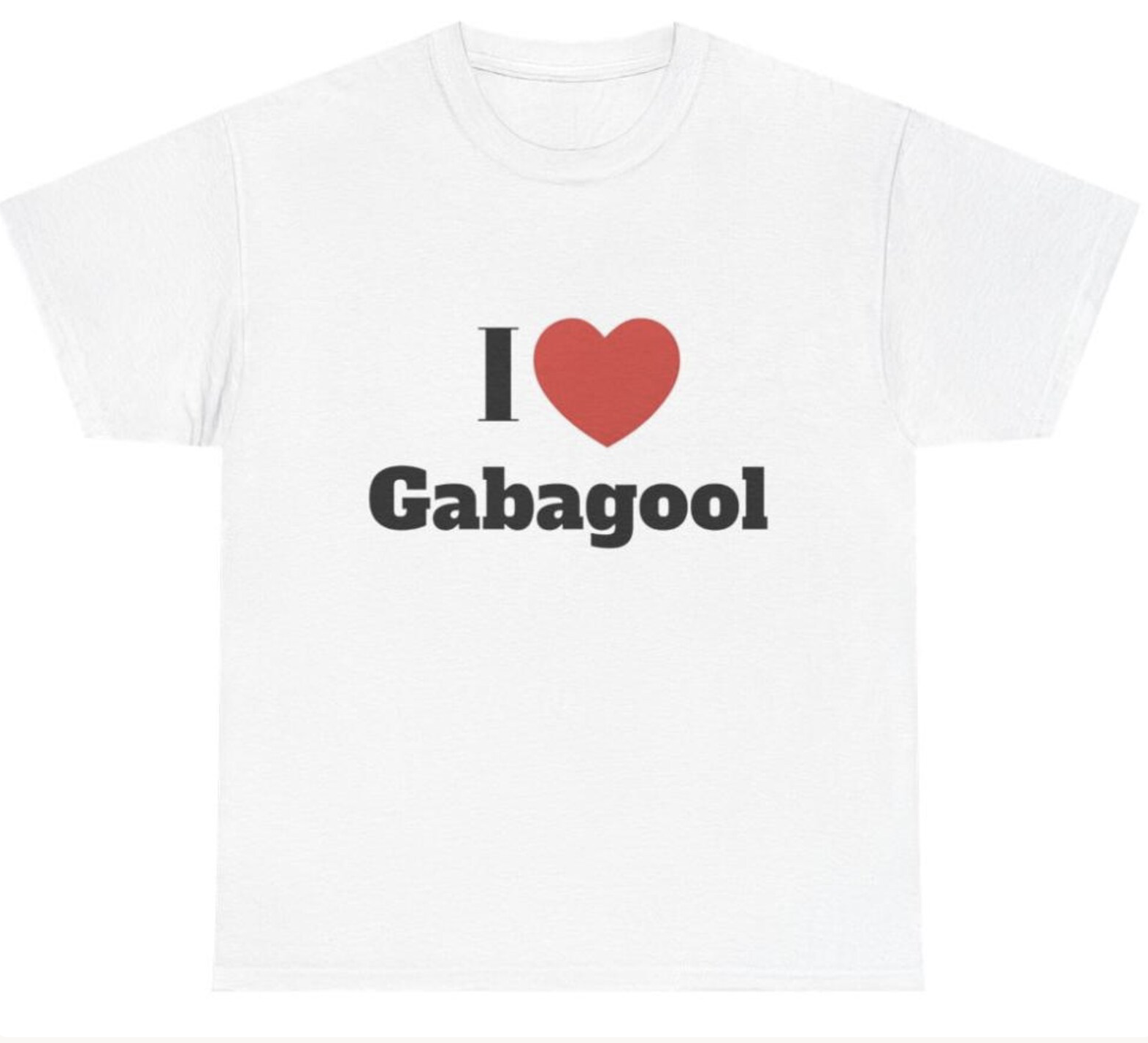
“I LOVE GABAGOOL”


If you’re a fan of The Sopranos, you’ve likely adopted the term “gabagool” after hearing the clan discuss their love of cured meats every few episodes. If you were to order gabagool at a typical restaurant, you may receive some furrowed brows, but if you’re in a region with a large Italian-American population, like New Jersey, they’ll have a platter of capicola in front of you in no time.

Capicola, which SBS describes as a “moist and tender” cured meat made from the neck of a pig, is a delicious addition to charcuterie platters and antipasto, and is often served alongside other Italian meats such as prosciutto and salami. While many Americans have had a taste of this salty cured meat before, they probably don’t introduce it to their party guests as gabagool unless they’re Italian-American. So, where in the world did this word originate from and what does it actually mean? 

The word gabagool was born when a variety of Italian dialects merged, but what it translates to in Italian is: nothing. Atlas Obscura confirms that gabagool is just a mutation of the word capicola, spoken with a very specific accent.

Naples-born linguistics professor Mariapaola D’Imperio explains to Atlas Obscura that Italian linguistics is far from straightforward. The Italian language, D’Imperio notes, was initially a smorgasbord of multiple dialects. Each old Italian “kingdom” spoke its own variation of the language up until unification, when Italian officials picked one language, known as Standard Italian, to make communication easier.

Italian-Americans — those responsible for the notorious term gabagool — speak an Italian that is nowhere near Standard Italian, claims Atlas Obscura. “Instead it’s a construction of the frozen shards left over from languages that don’t even really exist in Italy any more, with minimal intervention from modern Italian,” writes Atlas Obscura’s Dan Nosowitz. Regardless of the language’s progression, Italian-Americans on the East Coast can all agree that gabagool is capicola.

Over the years the Italian language in America has morphed into something new, and Italian-Americans continue to celebrate their heritage by not always speaking the language, but as Nosowitz puts it, “putting on an antiquated accent for a dead sub-language to order some cheese.” Or, of course, cured meat.

That said, we’re here to talk about capicola. It’s just one of many types of cured meats, and it’s probably one you’ve heard mentioned a lot on a certain sort of television show. Chances are pretty good you may have heard about it more than you’ve had it, and it’s definitely not a more mainstream sort of cured meat, like bacon. So what, exactly, is it? It is as unhealthy — and delicious — as bacon? What makes it different from all the other types of cured meats out there? Is it as authentically Italian as it seems, or is it just pretending?

 Let’s find out.

Let’s clear up a big one here — what exactly are you eating when you take a bite of capicola? It’s actually impressively specific. 

We’ll start with where it comes from, and according to DePalma Salumi, capicola (or capocollo) is one of a number of types of cured Italian meats. This one comes specifically from the area of the pig between the neck and the fourth or fifth rib of the pork shoulder. That’s what the word means, in fact: “capo” means “head” and “collo” means “neck.” Academia Barilla gets even more specific and says the pigs of choice are at least eight months old and weigh at least 300 pounds. Traditionally, the best of the best comes from large breeds typically raised in the south of Italy. 

In case you’re wondering what makes this part of these pigs so special, SBS says it’s all because of the fat ratio. Capicola is 30 percent fat and 70 percent lean, and that means it’s both tender and moist, even after it’s been cured.

Cured meats are nothing new, and capicola definitely isn’t new. According to Academia Barilla, capicola goes back to the era of the colonies of the Magna Graecia… but what does that mean?

For that answer, we’ll need to turn to the Ancient History Encyclopedia. The Magna Graecia were areas along the coast of southern Italy that were colonized by the Greeks between the 8th and 5th centuries BC. We did say it’s been around a long, long time! 

These ancient Greeks were attracted to the area by the particularly fertile lands and its perfect position within a larger trade network, and when they settled there, they made it completely Greek. Not only did they bring things like the Olympic Games

, but they also brought stuffed pork sausages. That kicked off the start of the area’s deep love of all things pork, and they’re still known for their large-breed pigs and their pork products today — including capicola.


CAPICOLA !
 
aka “GABAGOOL” !!!


Capicola, coppa, capocollo… which one is it?

These ancient Greeks were attracted to the area by the particularly fertile lands and its perfect position within a larger trade network, and when they settled there, they made it completely Greek. Not only did they bring things like the Olympic Games, but they also brought stuffed pork sausages. That kicked off the start of the area’s deep love of all things pork, and they’re still known for their large-breed pigs and their pork products today — including capicola.

Capicola, coppa, capocollo… which one is it?

The Reason Some People Refer To Capicola As Gabagool
 
If you’re a fan of The Sopranos, you’ve likely adopted the term “gabagool” after hearing the clan discuss their love of cured meats every few episodes. If you were to order Gabagool at a typical restaurant, you may receive some furrowed brows, but if you’re in a region with a large Italian-American population, like New Jersey, they’ll have a platter of capicola in front of you in no time.
 
Capicola, which SBS describes as a “moist and tender” cured meat made from the neck of a pig, is a delicious addition to charcuterie platters and antipasto, and is often served alongside other Italian meats such as prosciutto and salami. While many Americans have had a taste of this salty cured meat before, they probably don’t introduce it to their party guests as gabagool unless they’re Italian-American. So, where in the world did this word originate from and what does it actually mean? 
 
The word gabagool was born when a variety of Italian dialects merged, but what it translates to in Italian is: nothing. Atlas Obscura confirms that gabagool is just a mutation of the word capicola, spoken with a very specific accent.
 
 
The Italian-American dialect has a complex history
 
Naples-born linguistics professor Mariapaola D’Imperio explains to Atlas Obscura that Italian linguistics is far from straightforward. The Italian language, D’Imperio notes, was initially a smorgasbord of multiple dialects. Each old Italian “kingdom” spoke its own variation of the language up until unification, when Italian officials picked one language, known as Standard Italian, to make communication easier.
Italian-Americans — those responsible for the notorious term gabagool — speak an Italian that is nowhere near Standard Italian, claims Atlas Obscura. “Instead it’s a construction of the frozen shards left over from languages that don’t even really exist in Italy any more, with minimal intervention from modern Italian,” writes Atlas Obscura’s Dan Nosowitz. Regardless of the language’s progression, Italian-Americans on the East Coast can all agree that gabagool is capicola.
 
Over the years the Italian language in America has morphed into something new, and Italian-Americans continue to celebrate their heritage by not always speaking the language, but as Nosowitz puts it, “putting on an antiquated accent for a dead sub-language to order some cheese.” Or, of course, cured meat.
 
There’s no denying that cured meats are delicious. Whether you’re piling them on a sandwich or serving them up on a platter, there’s just something about them that makes you crave more. But unfortunately, there have been numerous studies on just how bad for you processed meats really are (via Science Direct). 
 
That said, we’re here to talk about capicola. It’s just one of many types of cured meats, and it’s probably one you’ve heard mentioned a lot on a certain sort of television show. Chances are pretty good you may have heard about it more than you’ve had it, and it’s definitely not a more mainstream sort of cured meat, like bacon. So what, exactly, is it? It is as unhealthy — and delicious — as bacon? What makes it different from all the other types of cured meats out there? Is it as authentically Italian as it seems, or is it just pretending? Let’s find out!
 
What is capicola?
 
Let’s clear up a big one here — what exactly are you eating when you take a bite of capicola? It’s actually impressively specific. 
 
We’ll start with where it comes from, and according to DePalma Salumi, capicola (or capocollo) is one of a number of types of cured Italian meats. This one comes specifically from the area of the pig between the neck and the fourth or fifth rib of the pork shoulder. That’s what the word means, in fact: “capo” means “head” and “collo” means “neck.” Academia Barilla gets even more specific and says the pigs of choice are at least eight months old and weigh at least 300 pounds. Traditionally, the best of the best comes from large breeds typically raised in the south of Italy. 
 
 
In case you’re wondering what makes this part of these pigs so special, SBS says it’s all because of the fat ratio. Capicola is 30 percent fat and 70 percent lean, and that means it’s both tender and moist, even after it’s been cured.


TONY SOPRANOS GABAGOOL
 
SANDWICH

“I LOVE GABAGOOL” !!!


Capicola has been around for almost forever.
 
Cured meats are nothing new, and capicola definitely isn’t new. According to Academia Barilla, capicola goes back to the era of the colonies of the Magna Graecia… but what does that mean?
 
For that answer, we’ll need to turn to the Ancient History Encyclopedia. The Magna Graecia were areas along the coast of southern Italy that were colonized by the Greeks between the 8th and 5th centuries BC. We did say it’s been around a long, long time! 


SUNDAY SAUCE
RECIPES – SUNDAY SAUCE
LASAGNA – MEATBALLS
“HOW to Make a GABAGOOL SANDWICH”
And MUCH MORE …


These ancient Greeks were attracted to the area by the particularly fertile lands and its perfect position within a larger trade network, and when they settled there, they made it completely Greek. Not only did they bring things like the Olympic Games, but they also brought stuffed pork sausages. That kicked off the start of the area’s deep love of all things pork, and they’re still known for their large-breed pigs and their pork products today — including capicola.
 
Capicola, coppa, capocollo… which one is it?
 
There are a lot of different terms you’ve probably heard used to refer to various meats, and a lot of them sound very, very similar to “capicola.” Let’s clear up any potential confusion with help from DiBruno Bros. 
 
At the root of the confusion is the fact that many regions in Italy have their own version of capicola, and some are very specific just to that area. (Think of champagne — the real stuff only comes from the Champagne region in France, otherwise it’s more accurately described as sparkling wine.) For example, Coppa Piacentina involves stuffing the meat into a casing of intestine, and Coppa di Calabria uses wine in the process… and they’re both kinds of Italian capicola. The version that’s made in America is a little different, though, and it’s made with either red pepper or black peppercorn. 
 
Then, there’s ham capocollo, which is also called ham-capi and it’s also a different thing. That’s essentially a spiced and boiled ham, and it’s said to be a cross between ham and capicola. Confusing, right?
 
There are still other types of coppa/capocollo/capicola, says DeLallo. The region of Umbria uses coriander and fennel, while Basilicata traditionally uses hot pepper powder, and their version is typically not as salty or smoky as the stuff from Calabria. The long and short of it is yes, there are different varieties and they come from different regions. 
 
What makes Capicola different from other thin, cured meats — like Prosciutto?
 
 
Cured meats all go through a similar process of washing, salting, and drying… so what makes capicola different from other thin-sliced, cured meats?
 
Essentially, it’s where the meat comes from on the pig that makes it different, says the Huffington Post. Take prosciutto. That comes from the pig’s hind leg, and it cures for anywhere from nine months to two years. Speck also comes from the hind leg, but it’s made using different spices and it’s cold smoked after it’s cured. Speck, prosciutto, and capicola can all be used pretty interchangeably, but they’re going to taste different and capicola is from an entirely different part of the pig.
What about soppressata? That can come from pretty much any part of the pig, and it can even include “leftover” bits like the head and tongue. Serrano ham? That’s Spanish, and it can only be called that if it’s from a certain breed of pig, the Landrace. (Similarly, Iberico ham has to come from Iberico pigs.)
 
The confusing part isn’t over just yet — it’s also worth talking about the two different ways capicola is made. Bear with us. 
 
Technically, says The Daring Gourmet, capicola (or capocollo) refers to the thin-sliced neck and shoulder meat that’s been cooked. When that piece of neck and shoulder meat is dry-cured, it’s more appropriately called coppa… although in the U.S., the terms are often used interchangeably. If you order capicola at your local deli counter, you might just get the dry-cured stuff. 
 
So, what does it mean when we talk about the process of dry-curing? Again, this is also different based on region and tradition, but essentially, DeLallo says that the process involves taking your piece of meat, adding salt and other spices, then putting into a natural casing, tying it up, and letting it age for at least several months. 
 
And here’s why Italy is so good at making these types of meats. According to Academia Barilla, the combination of humidity and temperature found in particular areas of Italy make it perfect for slow aging, as there’s little to no risk of the development of mold.
 
 
The Reason Some People Refer To Capicola As Gabagool
 
If you’re a fan of The Sopranos, you’ve likely adopted the term “Gabagool” after hearing the clan discuss their love of cured meats every few episodes. If you were to order gabagool at a typical restaurant, you may receive some furrowed brows, but if you’re in a region with a large Italian-American population, like New Jersey, they’ll have a platter of capicola in front of you in no time.
 
Capicola, which SBS describes as a “moist and tender” cured meat made from the neck of a pig, is a delicious addition to charcuterie platters and antipasto, and is often served alongside other Italian meats such as prosciutto and salami. While many Americans have had a taste of this salty cured meat before, they probably don’t introduce it to their party guests as gabagool unless they’re Italian-American. So, where in the world did this word originate from and what does it actually mean? 
 
The word gabagool was born when a variety of Italian dialects merged, but what it translates to in Italian is: nothing. Atlas Obscura confirms that gabagool is just a mutation of the word capicola, spoken with a very specific accent.
The Italian-American dialect has a complex history.
Naples-born linguistics professor Mariapaola D’Imperio explains to Atlas Obscura that Italian linguistics is far from straightforward. The Italian language, D’Imperio notes, was initially a smorgasbord of multiple dialects. Each old Italian “kingdom” spoke its own variation of the language up until unification, when Italian officials picked one language, known as Standard Italian, to make communication easier.
 
 
Italian-Americans — those responsible for the notorious term gabagool — speak an Italian that is nowhere near Standard Italian, claims Atlas Obscura. “Instead it’s a construction of the frozen shards left over from languages that don’t even really exist in Italy any more, with minimal intervention from modern Italian,” writes Atlas Obscura’s Dan Nosowitz. Regardless of the language’s progression, Italian-Americans on the East Coast can all agree that gabagool is capicola.
 
Over the years the Italian language in America has morphed into something new, and Italian-Americans continue to celebrate their heritage by not always speaking the language, but as Nosowitz puts it, “putting on an antiquated accent for a dead sub-language to order some cheese.” Or, of course, cured meat.
 
 
A Plate of CAPICOLA


There’s no denying that cured meats are delicious. Whether you’re piling them on a sandwich or serving them up on a platter, there’s just something about them that makes you crave more. But unfortunately, there have been numerous studies on just how bad for you processed meats really are (via Science Direct). 
 
That said, we’re here to talk about capicola. It’s just one of many types of cured meats, and it’s probably one you’ve heard mentioned a lot on a certain sort of television show. Chances are pretty good you may have heard about it more than you’ve had it, and it’s definitely not a more mainstream sort of cured meat, like bacon. So what, exactly, is it? It is as unhealthy — and delicious — as bacon? What makes it different from all the other types of cured meats out there? Is it as authentically Italian as it seems, or is it just pretending? Let’s find out!
SATRIALE’S PORK STORE
 
What is Capicola?
 
Let’s clear up a big one here — what exactly are you eating when you take a bite of capicola? It’s actually impressively specific. 
 
We’ll start with where it comes from, and according to DePalma Salumi, capicola (or capocollo) is one of a number of types of cured Italian meats. This one comes specifically from the area of the pig between the neck and the fourth or fifth rib of the pork shoulder. That’s what the word means, in fact: “capo” means “head” and “collo” means “neck.” Academia Barilla gets even more specific and says the pigs of choice are at least eight months old and weigh at least 300 pounds. Traditionally, the best of the best comes from large breeds typically raised in the south of Italy. 
 
 
In case you’re wondering what makes this part of these pigs so special, SBS says it’s all because of the fat ratio. Capicola is 30 percent fat and 70 percent lean, and that means it’s both tender and moist, even after it’s been cured.
 
Capicola has been around for almost forever
Shutterstock
Cured meats are nothing new, and capicola definitely isn’t new. According to Academia Barilla, capicola goes back to the era of the colonies of the Magna Graecia… but what does that mean?
 
For that answer, we’ll need to turn to the Ancient History Encyclopedia. The Magna Graecia were areas along the coast of southern Italy that were colonized by the Greeks between the 8th and 5th centuries BC. We did say it’s been around a long, long time! 
 
 
These ancient Greeks were attracted to the area by the particularly fertile lands and its perfect position within a larger trade network, and when they settled there, they made it completely Greek. Not only did they bring things like the Olympic Games, but they also brought stuffed pork sausages. That kicked off the start of the area’s deep love of all things pork, and they’re still known for their large-breed pigs and their pork products today — including capicola.
 
Capicola, coppa, capocollo… which one is it?
Shutterstock
There are a lot of different terms you’ve probably heard used to refer to various meats, and a lot of them sound very, very similar to “capicola.” Let’s clear up any potential confusion with help from DiBruno Bros. 
 
 
At the root of the confusion is the fact that many regions in Italy have their own version of capicola, and some are very specific just to that area. (Think of champagne — the real stuff only comes from the Champagne region in France, otherwise it’s more accurately described as sparkling wine.) For example, Coppa Piacentina involves stuffing the meat into a casing of intestine, and Coppa di Calabria uses wine in the process… and they’re both kinds of Italian capicola. The version that’s made in America is a little different, though, and it’s made with either red pepper or black peppercorn. 
 
Then, there’s ham capocollo, which is also called ham-capi and it’s also a different thing. That’s essentially a spiced and boiled ham, and it’s said to be a cross between ham and capicola. Confusing, right?
 
 
There are still other types of coppa/capocollo/capicola, says DeLallo. The region of Umbria uses coriander and fennel, while Basilicata traditionally uses hot pepper powder, and their version is typically not as salty or smoky as the stuff from Calabria. The long and short of it is yes, there are different varieties and they come from different regions. 
 
What makes capicola different from other thin, cured meats — like prosciutto?
Cured meats all go through a similar process of washing, salting, and drying… so what makes capicola different from other thin-sliced, cured meats?
 
Essentially, it’s where the meat comes from on the pig that makes it different, says the Huffington Post. Take prosciutto. That comes from the pig’s hind leg, and it cures for anywhere from nine months to two years. Speck also comes from the hind leg, but it’s made using different spices and it’s cold smoked after it’s cured. Speck, prosciutto, and capicola can all be used pretty interchangeably, but they’re going to taste different and capicola is from an entirely different part of the pig.
 
 
What about soppressata? That can come from pretty much any part of the pig, and it can even include “leftover” bits like the head and tongue. Serrano ham? That’s Spanish, and it can only be called that if it’s from a certain breed of pig, the Landrace. (Similarly, Iberico ham has to come from Iberico pigs.)
 
Capicola may or may not be cooked
The confusing part isn’t over just yet — it’s also worth talking about the two different ways capicola is made. Bear with us. 
 
Technically, says The Daring Gourmet, capicola (or capocollo) refers to the thin-sliced neck and shoulder meat that’s been cooked. When that piece of neck and shoulder meat is dry-cured, it’s more appropriately called coppa… although in the U.S., the terms are often used interchangeably. If you order capicola at your local deli counter, you might just get the dry-cured stuff. 
 
 
We did say it was confusing! 
 
So, what does it mean when we talk about the process of dry-curing? Again, this is also different based on region and tradition, but essentially, DeLallo says that the process involves taking your piece of meat, adding salt and other spices, then putting into a natural casing, tying it up, and letting it age for at least several months. 
 
And here’s why Italy is so good at making these types of meats. According to Academia Barilla, the combination of humidity and temperature found in particular areas of Italy make it perfect for slow aging, as there’s little to no risk of the development of mold.
 
How to make capicola.
Capicola might be hard to find, depending on where you live, and it also might be pretty expensive. But there’s good news: you can absolutely make it at home.
 
All you’ll need is a pork shoulder, whatever seasonings you like (and since you’re doing it at home, there’s no need to be traditional), a curing salt mix, and casings. After seasoning your pork shoulder (with the marbling, without the fat cap), there are a few things you can do. You can wrap it tightly in plastic wrap and let it sit in your fridge for a few weeks before putting it into your casing, or you can cover it in salt and let it sit for one day for each two pounds of weight. 
 
Either way, it’s the aging process that’s the real key here. You’ll need somewhere to hang and age your capicola for months before you actually get to cut into it, and you’re going to want a place that holds a relatively high humidity but temperatures between 50 and 60 degrees Fahrenheit (via Sausage Maker). Complicated? A bit. A long process? Very. But rewarding? Absolutely.


CAPOCOLLO


So whay do they call it GABAGOOL ?


TONY SOPRANO
EATING “GABAGOOL”


If you know capicola from The Sopranos or The Office, you probably know it as “Gabagool” That’s… not even really close to the real word, so where the heck did this come from? 
 
Atlas Obscura says it’s because of a weird phenomenon: the development of an accent that’s not just regional, but it’s specific to the descendents of a group of Italian immigrants. The development of language in Italy is so confusing that even professional linguists aren’t sure what the heck happened, and we’re definitely not here to argue about linguistics, so we’ll talk basics. 
 
Essentially, most Italian immigrants came from different regions in southern Italy, and even when they settled in the U.S., they were still divided into regional groups. And those groups spoke different versions of their native language. When they came together in the U.S., bits and pieces of the languages held on, and formed a sort of Italian-American Italian language. 
 
When that happened, letters started taking on different sounds and inflections. Without getting too complicated, it’s all about accents and whether or not a letter’s sound comes from your vocal cords or your mouth. The hard “c” in “capicola” became a “g,” “p” shifted into a “b.” “o” got elongated to “ooh,” and — like in so many other words — the last vowel disappeared. 
 
Essentially, most Italian immigrants came from different regions in southern Italy, and even when they settled in the U.S., they were still divided into regional groups. And those groups spoke different versions of their native language. When they came together in the U.S., bits and pieces of the languages held on, and formed a sort of Italian-American Italian language. 
 
Capicola can be made anywhere, but there’s actually a few different types that are extra special. They’ve been awarded a Protected designation of origin (PDO) status, and that basically means that particular name can only be used if the entire product is made in a particular area or region.
 
Most capicola retains a heavy to slight smoky flavor, and DiBruno Bros. – who only carries capicola made in America — says that there are two different types of flavor profiles you might expect. It comes down to whatever spice mixture the maker decides to use, and while there’s some wiggle room in specifics, most American capicola is either made with red pepper — which will make it hot and spicy — or with black peppercorns, which will make it more on the sweeter side. 
 
Flavors are so varied that before you pick out a nice-looking side of capicola, you should definitely peek at the ingredients to get an idea of what flavor profile you’re looking at. Take some do-it-yourself recipes: While some call for paprika, chipotle powder, juniper, chili powder, and nutmeg, others might call for fennel, anise, red pepper, and coriander to compliment the base of black pepper. Bottom line? There’s one out there that’s perfect for you!


READ MORE on GABAGOOL
 
In SUNDAY SAUCE
 
 
SUNDAY SAUCE
 
PASTA –  MEATBALLS – GABAGOOL
 
AND MUCH MORE
 
.
.

.

“I LOVE GABAGOOL”

“SOPRANOS”

T-SHIRT on Etsy


America First Venetian Wine Bar – Bar Cichetti by Daniel Bellino Zwicke – New York City 1997

 BAR CICHETTI

by Daniel Bellino-Zwicke & Tom Taraci

 
BAR CIHETTI
Daniel Bellino Zwicke is widely recognized as the 

creator of Bar Cichetti, known as “America’s First Venetian Wine Bar”. It was established in 1998 by Zwicke and Tom Taraci. Daniel served as the Chef, wine director, and managing partner. Bar Cichetti aimed to recreate the experience of a Venetian bacaro (wine bar) in New York City, specializing in Venetian food and Italian wine. Reviews from the time noted its cozy atmosphere and delicious food, with highlights like the  Sarde en Soar, Lasagna, and Pasta with Duck Ragu.

It’s important to note that while Bar Cichetti was a significant part of Bellino Zwicke’s career, it is no longer open under his operation. There’s a restaurant in New York City currently operating as “Bar Cicchetti by Fabio Viviani” in Chelsea. This is a different establishment and should not be confused with Daniel Bellino Zwicke’s original Bar Cichetti, “America’s 1st Ever Venetian Wine Bar.”


The BELLINO’S
At BAR CICHETTI
UNCLE TONY, MYSELF, COUSIN TONY, AUNT FRAN
Aunt Wanda, Debbie, AUNT HELEN, Dan
.
.
Daniel & CAMERON DIAZ
.
.
SOME PICTURES at BAR CICHETTI
MICAHEL STIP & R.E.M.
CHEF DANIEL & His KITCHEN CREW
.
.
BAR CICHETTI
DANIEL & FRIENDS
DANIEL, RAOUL, LISA, MATT DILLON, ABBIE
JOHN LURIE & GLENN O’BRIEN
BAR CICHETTI 1998
Daniel Bellino Zwicke is widely recognized as the creator of the first Venetian wine bar (bacaro) in the United States, named Bar Cichetti

.

Here’s more about his venture:
  • Establishment: Bar Cichetti was established in 1998 in New York City with the goal of bringing the Venetian bacaro experience to the US.
  • Focus: It specialized in Venetian cuisine and Italian wines.
  • Bellino Zwicke’s Role: Daniel Bellino Zwicke was involved as the Chef, wine director, and managing partner.
  • Reception: Contemporary reviews noted its inviting atmosphere and popular dishes such as Sarde en Soar and Pasta with Duck Ragu.
  • Status: Bar Cichetti is no longer operating under Daniel Bellino Zwicke’s direction.
  • Important Note: There is a different restaurant in New York City called “Bar Cicchetti by Fabio Viviani” that is not related to Daniel Bellino Zwicke’s original establishment.

.

CHEF DANIEL BELLINO ZWICKE
With OLD PAL MATT DILLON
.
.
.
SINATRA SAUCE
The COOKBOOK

AL Pacino Favorite Pasta is Spaghetti Aglio Olio – Spaghetti with Garlic and Oil


AL PACINO

“His FAVORITE PASTA”

SPAGHETTI AGLI OLIO

The One DISH AL PACINO CAN’T REFUSE

Al Pacino is a Big Fan of a Pasta Dish called Spaghetti Aglio Olio. It’s a Neapolitan dish that features spaghetti noodles, good olive oil, lots of garlic and red pepper flakes for a spicy kick. It goes without saying the pasta dish and the Scarface star have been linked together a lot in recent history. 


In 2015, New York’s iconic Serafina restaurant posted on Twitter that they “Love” Pacino, noting how they have a dish called Spaghetti Aglio & Olio “Al Pacino.” That dish is still exists with that incredible name on the current Serafina menu.


Al Pacino’s love of spaghetti aglio e olio also came up in Daniel Bellino Zwicke’s POSITANO The AMALFI COAST – Travel Guide Cookbook. “When I was the wine director at Barbetta Ristorante in New York City, whenever Al came into the restaurant, he would often ask if we could make him a plate as it wasn’t on the menu,” Zwicke wrote. “Al literally made us an offer we couldn’t refuse, naturally we didn’t, and we always gave Mr. Pacino a plate of his beloved Spaghetti Aglio e Olio , just the way he liked it. You’re welcome Al.”


RECIPE 


AL PACINO’S FAVORITE PASTA !


POSITANO The AMALFI COAST

TRAVEL GUIDE – COOKBOOK

With AL PACINO’S FAVORITE PASTA

RECIPE – SPAGHETTI AGLIO OLIO

With 100 REGIONAL NEAPOLITAN Recipes 


Ai on BELLINO & PACINO

  • Daniel Bellino-Zwicke: A culinary author and creator of concepts like “Meatball Parm Mondays” and “Sunday Sauce Recipe alla Clemenza alla Bellino alla Pacino”. He is known for New York-Italian cuisine inspired by movies like “The Godfather” and “Goodfellas”. His blog even features a Spaghetti recipe Daniel says is how Al Pacino likes it.


Gnocchi with Pork Rib Ragu Recipe from Rome


MARIELLA

And Her GNOCCHI w / PORK RIB RAGU

Homemade GNOCCHI

With PORK RIB RAGU


NONNA BELLINO’S COOKBOOK

SICILIAN PASTA GRANNIES


Mariella is a PASTA GRANNY. Gnocchi with PORK RIB RAGU is Delicious. “Love it”


#Rome  #Italy


.

Italian Wine Dinner / New York


Rocca Giovani – Nebbiolo D’Alba 2019

Zeni Amarone “Barriques” 2015


I recently attended an Italian Wine Dinner at the venerable 103 year old
Monte’s Trattoria in Greenwich Village, New York. The wine dinner was organized by Chef Pietro Mosconi, his sone Peter Mosconi (GM), and representatives of Moinsiuere Touton Wines of New York.

The dinner began with reception at the bar of Monte’s, as we sipped Prosecco (Villa Joland) and ate a tasty assortment of Chef Pietro Mosconi’s h’orduevures, which included : fresh Mozzarella wrapped with Prosciutto di Parma, roast Asparugus Parmigiano, Shrimp Oreganata, and tasty little Meatballs. The crowd, sipped their prosecco and nibbled on Chef Pietro’s little treats, and engaged in spirited conversation before heading to the upstairs dining room, to sit down to 4 courses of Chef Mosconi fare. 

Out came the first course of Baked Clams, Fried Calamari, and baked Eggplant. We were served 
Zeni Lugana to go with the antipasti. Lugana is a lovely white wine from Lake Garda, Italy. The wine zone of Lugana actually is in two regions of Italy, which include both the Veneto on the east side of the zone, and Lombardia to the west. This is a bit unusaual, as wine zone are generally in on region, not two. Lugana is one of the exceptions to the rule. Lugana wines are generally mineral driven, with taste of Green Olives, a tad of salt, pears, grapefruti and green apples. 

The Zeni Lugana lived up to general rules of this lovely wine, exhibiting good minerality, with faint saline notes, Peach and Pinapple fruits on the finsish. It was a good choose for the antipasti, going escpecially well with the Shrimp and Clams, and all items of this first course. 

For the next course, we were treated to some of Chef Pietro’s famous homemade pasta, which in this case was Tagliatelle with fresh shaved Black Truffles. Needless to say, the pasta was devine, and all present savored its sublime flavors of the fresh egg pasta, butter and Tartufo Nero (Black Truffles). The Tagliatelle con Tartufo was paired with a wonderful Nebbiolo from the Rocca Giovani Estate, of Monforte d’ Alba in Piemonte, a premier area for Nebbiolo and great Barolo wines. 

The Rocca Giovanni Nebbiolo was a great wine to pair with the Chef’s Truffle Pasta, as any Nebbiolo based wines, such as; Barolo, Barbaresco, or Nebbiolo D’ Alba such as this wine, Nebbiolo with Truffles (Tartufi) is one of the World’s Greatest of all food and wine pairings, and this was no exception. The Rocca Giovanni Nebbiolo was a a textbook Nebbiolo D’Alba, with a good stron g rubby color, smelling of Violets and Rasberries, and a hint of spice on the nose. The fragrance was quite lovely. In the mouth, the wine was full of Dark Cherry and Strawberry flavors, with a tad of Licorice and other faint spices. This was a classicly made Nebbiolo D’Alba, that made a perfect accompaniment to the Truffles and fresh pasta. “So, good. Thanks Chef Pietro.”

After our tasty truffle pasta with Nebbiolo, we relaxed for a few minutes, chatting about the dinner, the food and wines, and whatever other conversation were occuring around the room.

For the main course, their was a choice of either broiled Salmon, or Chef Pietros famous Braised Short Ribs of Beef with polenta. Now I can not figure for the life of me, why would anyone choose Salmon over the chef’s awesome braised Short Ribs, especially when Amarone was to be served with the main course. “OK, I get it. Yes, I realize there are people who don’t eat meat, thus opting for the salmon. Sorry guys, your loss.” As for me, you know I ordered the Short Ribs. 

And so, a little while after finishing our pasta course, out came the main (secondo) and a gorgeous plate of braised Short Ribs of Beef, with sof polenta was set down in front of me. The wine guys had already poured Amarone into my previously empty wine glass, and it was “Let the games begin.” Yes, they had already begun almost two hours ago, but hey, here I was with my Chef Mosconi made Short Ribs and a glass of Amarone.

Well, I already knew how amazingly succulent and tasty Short Ribs of Beef cooked by Chef Pietro Mosconi are. I have had them dozens of times, and they are without question, one of my favorite things to eat in this whole wide World. And I’ve eaten at all of the great restaurants in the World, including in : Paris, Rome, Venice, New York, Florence, Hong Kong, Bangkok, Saigon, Verona, Havana, San Francisco, New Orleans, and? Need I go on. No, It’s quite hard to think of anything tastier than these tasty Braised Short Ribs. Well, Foe Gras at Polidor, maybe? I don’t know? Kind of close, but I’m goign to have to give the Short Ribs a slight edge. 

Now, I’m eating the Short Ribs, and so you know, just how amazingly great they are? As great as anything could possibly be. Now how about the wine werved with them? The Amarone from the House of Zeni, Bardolino, Italy, on the shores of Lake Garda. Thsi wine is Zeni Amarone “Barriques” 2015 … And what an Amrone it is. From the very first sip, this wine blew my mind. It was phenonminal, and one of the best Amarones I have ever had, including the one that I hold as the greatest Amarone I ever drank, which would be the Zenato Amarone Reserva 1981 vintage that I drank in 2005, when that wine was 24 years old, and perfectly cellared in the cellars of Barbetta Ristorante on 46th Street in New York, NY … 

Now that wine was much older, and you have a different experience with an older aged wine, than with a wine much younger. But all I can say, is that the Zeni Amarone 2015 was a wine that is in perfect balance, super tasty, and a absolute pleasure to drink. “I loved it.”

Now if you know me, you will know that if I say things like, “the wine was perfectly balanced, tasty, and that I loved it.” you will know that the wine in question is a wine that is just about a perfect wine, and I don’t need to go into a bunch blibber blabber, in describing the wine. But in addition to saying it was in perfect balance and that I loved it, I will tell you that it was full of wonderful black fruit taste, with hints of exotic spice, and Desert Dates notes. This wine was a gem, and I can’t wit until I drink it again.

After all that, I’m starting to fade. Chef Pietro treated as to a tasty poached pear with Mint Zabiglione Sauce for dessert. This lovely dessert was paired with a Moscato d’ Asti Santo Stefano 2020 from Ceretto. The Moscato was quite nice, with good acidity to balance the sweetness, and tasty peach and appricot flavors that dominated its wonderful flavor profile. And yes, it paired perfectly with the Poached Pear Zabiglione dessert from Chef Pietro. 

So, the dinner was quite wonderful. A great menu from Chef Mosconi, wonderful wines from 
M. Touton Wines of New York, good friends and conversation in one of the great Italian Restaurants of New York, the 103 year old and still going strong, Monte’s Trattoria, headed by Chef Pietro Mosconi and his son Peter. Thanks guys. We loved it.


… Daniel Bellino Zwicke, October 23, 2021

NYC


Zeni LUGANA Vigna Alte


2020


Gaetano Zeni, referred to as Nino by everyone, was the real innovator of the modern era of the winery: a number of small and big changes initiated by him lifted the winery to its level of today. It was Nino who decided to move the production in the 1950s from the small winery in the historic centre of Bardolino to its present location,with more space and improved practicality, in the hills above the village with a spectacular view of Lake Garda. In the new winery he also decided to establish the wine museum to promote the culture and the story of wine growing and wine making. The philosophy of the winery, which was implemented by Gaetano Zeni, is pursued today with the same enthusiasm and dedication by his children Fausto, Elena and Federica and includes in particular the meticulous selection of both vineyards and grapes. The separate vinification of the grapes from the different wine areas is today still one of the fundamentals of the winery, giving the wines local character and high quality. The continuous improvement both in the production processes and in the winery’s management enabled the winery to obtain the UNI EN ISO 9001:2000 quality certification.


Ceretto Moscato di Asti “Santo Stefano” 2020


POSITANO The AMALFI COAST

COOKBOOK / TRAVEL GUIDE